Why Knowledge Alone Liberates in Advaita Vedanta

If you are searching “Why knowledge alone liberates in Advaita Vedanta”, you are touching the central and most misunderstood teaching of Vedanta. Advaita Vedanta makes a radical claim that sets it apart from most spiritual paths:

Liberation is not produced by action, practice, or effort—liberation happens only through knowledge.

This article explains why Advaita Vedanta insists on knowledge (jnāna) alone as the means to liberation, how this teaching is logically sound, scripturally grounded, and deeply practical for modern life.


What Does “Knowledge” Mean in Advaita Vedanta?

In Advaita Vedanta, knowledge does not mean:

  • Intellectual information
  • Accumulating concepts
  • Scholarly study

Knowledge means:

Direct understanding of one’s true nature as non-dual consciousness (Atman = Brahman).

It is clarity, not belief.


The Fundamental Problem: Ignorance, Not Sin or Action

Advaita Vedanta begins with a precise diagnosis:

Bondage is caused by ignorance (avidyā), not by actions or circumstances.

Ignorance means:

  • Taking the body to be “I”
  • Taking the mind to be “me”
  • Taking the changing to be permanent

If bondage is caused by ignorance, then only knowledge can remove it.


Why Action Cannot Liberate

Actions (karma) are limited by their very nature.

1. Actions Are Finite

Every action:

  • Begins in time
  • Ends in time
  • Produces temporary results

Liberation, however, is timeless.
A time-bound action cannot produce timeless freedom.


2. Actions Presuppose a Doer

All action assumes:

“I am the doer.”

Advaita Vedanta reveals that this doer-identity itself is the root of bondage.
How can action remove the very assumption it depends on?


3. Action Cannot Remove Ignorance

You cannot remove ignorance by doing something—only by knowing.

Just as:

  • Darkness is removed by light
  • Not by moving furniture

Similarly, ignorance is removed by knowledge, not action.


The Classical Analogy: Rope and Snake

Advaita Vedanta famously uses this analogy:

  • A rope is mistaken for a snake in dim light
  • Fear arises
  • No action removes the fear
  • When light reveals the rope, fear disappears instantly

The snake was never real.
Bondage was never real.

Knowledge alone liberates.


What About Meditation, Yoga, and Practices?

Advaita Vedanta does not reject practices.

It clearly states:

  • Practices purify the mind
  • They prepare one for knowledge
  • They do not produce liberation

Practices are means, not the end.

Liberation occurs only when ignorance is removed through understanding.


Scriptural Foundation for Knowledge Alone

Upanishads

The Upanishads repeatedly declare:

  • “Knowing That, one becomes free”
  • “By knowledge alone is immortality attained”

Not by action.
Not by ritual.
Not by practice.


Bhagavad Gita

In the Bhagavad Gita, Krishna states clearly that:

  • Action purifies
  • Knowledge liberates

Arjuna is not told to abandon action—but to act with right understanding.


Brahma Sutra Bhashya

Brahma Sutra Bhashya, written by Adi Shankaracharya, firmly establishes that:

  • Liberation cannot be an effect of action
  • Liberation is the removal of ignorance

This is Vedanta’s most rigorous logical foundation.


Why Knowledge Brings Immediate Liberation

Knowledge liberates instantly because:

  • The Self was never bound
  • Bondage existed only as misunderstanding
  • When misunderstanding ends, freedom is revealed

Nothing new is created.
Nothing needs to be added.


Knowledge vs Experience

Advaita Vedanta makes a crucial distinction:

ExperienceKnowledge
Comes and goesPermanent
Time-boundTimeless
Depends on mindReveals the Self

Liberation cannot be an experience—
because experiences end.


Liberation While Living (Jivanmukti)

Because liberation is knowledge-based, it is possible while living a normal life.

A liberated person:

  • Continues to act
  • Continues relationships
  • Continues responsibilities

But lives without inner bondage.

This state is called jivanmukti.


Why This Teaching Is Essential Today

Modern seekers often feel:

  • Exhausted by endless practices
  • Guilty for “not doing enough”
  • Confused by contradictory teachings

Advaita Vedanta offers clarity:

You are not bound because you failed to practice.
You feel bound because you misunderstood yourself.

Knowledge corrects that misunderstanding.


Understanding This Clearly (Without Confusion)

Classical Vedantic texts are precise but often dense. To make this wisdom accessible, Dr. Surabhi Solanki has authored modern, faithful books that explain why knowledge alone liberates—clearly and practically.

Recommended Reading

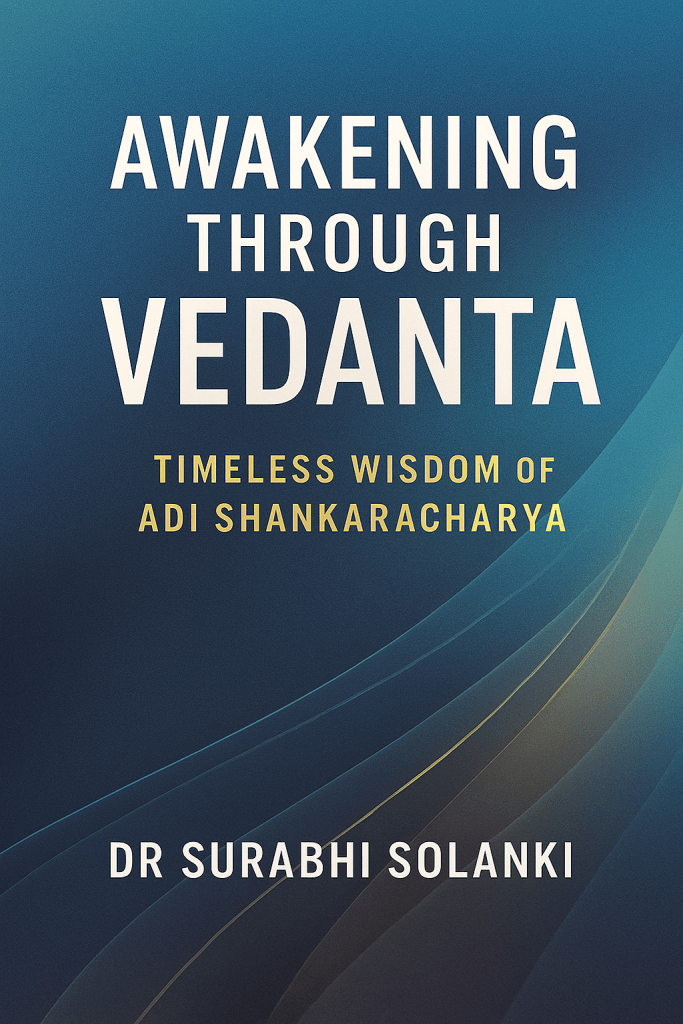
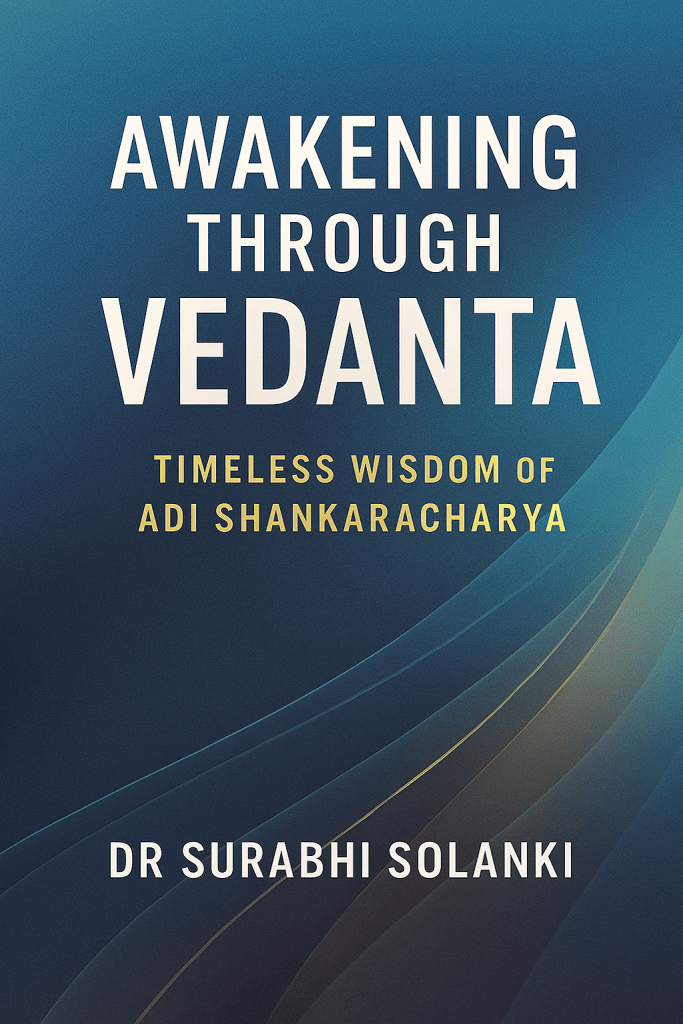
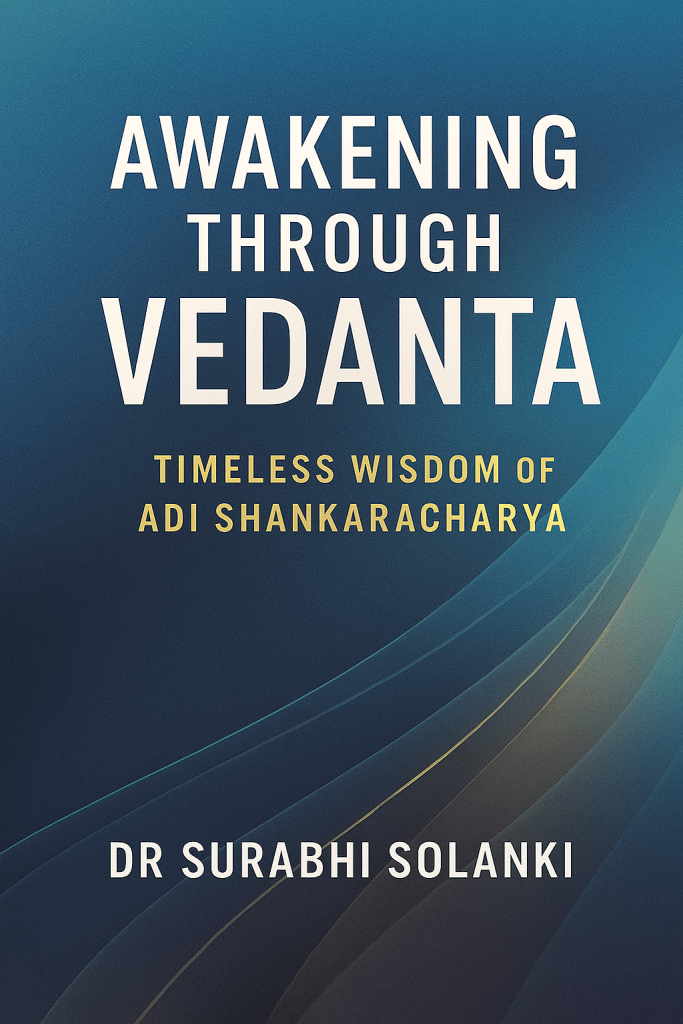
  • Awakening Through Vedanta: Timeless Wisdom of Adi Shankaracharya
    A clear foundation of why knowledge, not action, liberates.
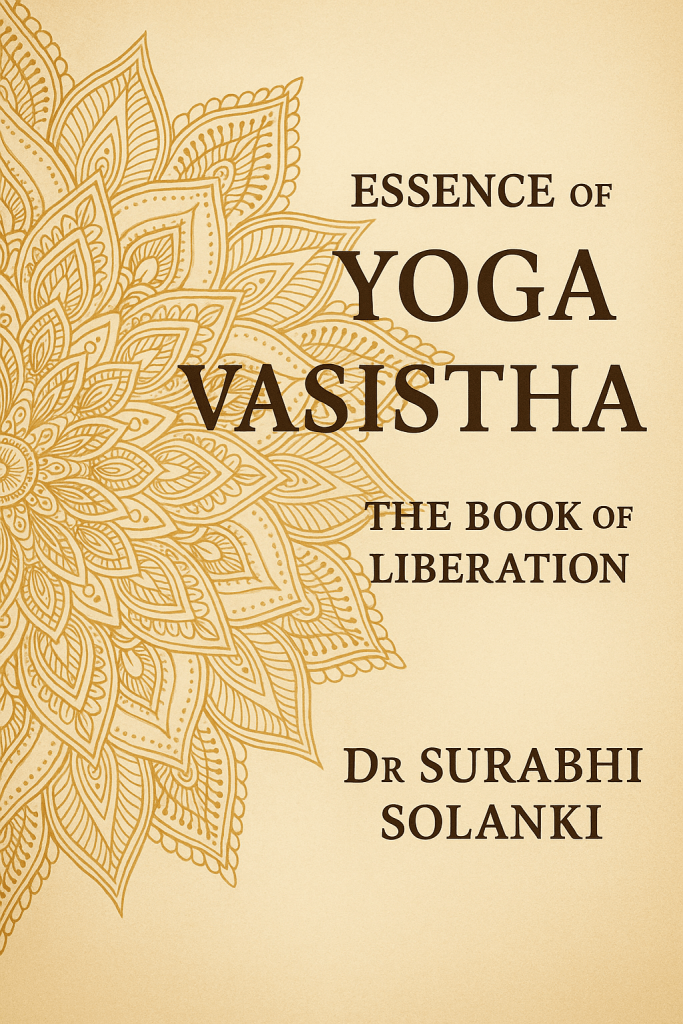
  • Essence of Yoga Vasistha: The Book of Liberation
    Explains liberation through understanding the mind.
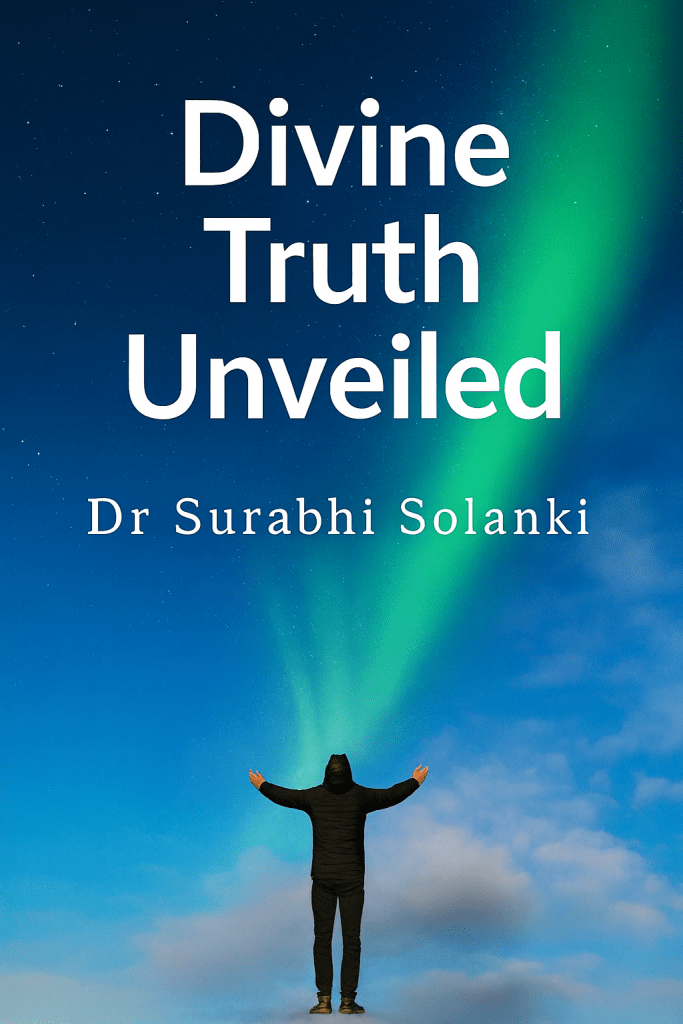
  • Divine Truth Unveiled: Hidden Secrets of Gaudapada’s Mandukya Karika
    Reveals liberation as recognition, not effort.

Knowledge Alone Liberates — In One Sentence

Liberation happens when ignorance ends, and ignorance ends only through knowledge.


Final Summary: Why Knowledge Alone Liberates in Advaita Vedanta

✔ Bondage is ignorance
✔ Actions cannot remove ignorance
✔ Knowledge alone reveals truth
✔ Liberation is immediate upon understanding
✔ Freedom is possible while living normally

Advaita Vedanta does not ask you to become free.
It asks you to understand that you already are.


A Closing Insight

You do not need more effort.
You need clearer understanding.

If this teaching resonates with you, the books by Dr. Surabhi Solanki offer a clear, authentic, and modern path into the heart of Advaita Vedanta—where freedom is revealed through knowledge alone.
What Is Self-Realization in Vedanta?

If you are searching “What is self-realization in Vedanta?”, you are not asking about a mystical experience or a dramatic spiritual event. In Vedanta, self-realization means clear knowledge of what you truly are—beyond body, mind, and identity.

Vedanta treats self-realization not as something to be achieved in time, but as truth to be recognized.

This article explains self-realization according to Vedanta, how it differs from popular spiritual ideas, and how modern readers can understand it clearly without confusion.


The Simple Definition

In Advaita Vedanta, self-realization means:

Knowing oneself as pure, non-dual consciousness (Atman), which is identical with Brahman.

It is not becoming someone new.
It is seeing through a false identity.


What Vedanta Means by “Self”

Vedanta makes a crucial distinction:

  • The body is seen
  • The mind is observed
  • Thoughts, emotions, and memories appear and disappear

Therefore, Vedanta asks:

Who is the one aware of all these?

That ever-present awareness is the Self (Atman).

Self-realization is recognizing that you are that awareness, not the changing experiences.


Self-Realization Is Not an Experience

One of the biggest misunderstandings is that self-realization is a special experience.

Vedanta states clearly:

  • Experiences come and go
  • Anything that comes and goes cannot be the Self
  • The Self is that which never changes

Self-realization is clarity, not ecstasy.


The Central Teaching: Atman Is Brahman

The Upanishads declare:

Atman (the Self) is Brahman (ultimate reality).

This means:

  • There is not a personal self and a separate cosmic reality
  • Reality is one, non-dual consciousness

Self-realization is knowing this identity directly—not intellectually, but clearly.


Why Ignorance Prevents Self-Realization

Vedanta explains that suffering continues because of ignorance (avidyā):

  • Identifying with body and mind
  • Taking the temporary to be permanent
  • Mistaking roles for reality

Self-realization removes ignorance—nothing else is required.


Self-Realization and Liberation (Moksha)

In Vedanta:

  • Self-realization and moksha are the same
  • Liberation is not after death
  • Liberation is freedom from misunderstanding here and now

This state is called jivanmukti—liberation while living.

Life continues.
Suffering ends.


Scriptural Foundations of Self-Realization

Upanishads

The Upanishads repeatedly teach that knowing the Self ends all bondage.

A single Upanishadic insight, properly understood, is said to be sufficient for liberation.


Bhagavad Gita

The Bhagavad Gita teaches self-realization within active life, not away from it.

Krishna instructs Arjuna to act—with right understanding.


Yoga Vasistha

The Yoga Vasistha explains self-realization as:

  • Freedom from mental projection
  • Understanding the unreality of bondage
  • Living naturally without inner conflict

Self-Realization vs Popular Spiritual Ideas

Popular ViewVedantic View
A dramatic awakeningQuiet clarity
Special experienceKnowledge
Achieved by effortRevealed by understanding
Requires renunciationPossible in normal life

Vedanta removes confusion—not adds belief.


What Changes After Self-Realization?

Externally, life looks the same.
Internally, everything changes.

After self-realization:

  • Fear weakens
  • Attachment loosens
  • Anxiety reduces
  • Peace becomes natural

Not because life is perfect—but because identity is no longer mistaken.


Understanding Self-Realization Clearly Today

Traditional texts can feel dense and intimidating. To make Vedantic self-realization accessible, Dr. Surabhi Solanki has authored modern, faithful books rooted in classical Advaita.

Recommended Reading

  • Awakening Through Vedanta: Timeless Wisdom of Adi Shankaracharya
    A clear foundation for understanding self-realization.
  • Essence of Yoga Vasistha: The Book of Liberation
    Explains self-realization through understanding the mind.
  • Divine Truth Unveiled: Hidden Secrets of Gaudapada’s Mandukya Karika
    A direct exposition of consciousness and non-duality.

Self-Realization in One Sentence (Vedanta)

Self-realization is knowing that you are the awareness in which the body, mind, and world appear—and that you were never bound.


Final Answer: What Is Self-Realization in Vedanta?

✔ Knowing the true Self
✔ Freedom from ignorance
✔ Not an experience
✔ Not a future event
✔ Possible while living a normal life

Vedanta does not ask you to become divine.
It reveals what you already are.


Continue the Inquiry

If this understanding resonates with you, the books by Dr. Surabhi Solanki offer a clear, authentic, and modern path into self-realization—rooted in ancient wisdom, written for the modern mind.

Truth is not found.
It is recognized.

Is Liberation Possible While Living a Normal Life?

If you are searching “Is liberation possible while living a normal life?”, you are asking a question that lies at the heart of Advaita Vedanta. The short answer is yes—and not only possible, but intended.

Advaita Vedanta does not require renunciation of family, work, or society. It teaches freedom through understanding, not escape from life.

This article explains how liberation is possible while living normally, why renunciation is often misunderstood, and how classical texts support this truth.


What Does “Liberation” Actually Mean?

In Advaita Vedanta, liberation (moksha) does not mean:

  • Leaving the world
  • Becoming inactive or withdrawn
  • Achieving a mystical state

Liberation means:

Freedom from ignorance about one’s true nature.

It is a shift in understanding, not a change in lifestyle.


The Core Insight: Bondage Is Mental, Not Situational

Advaita Vedanta states clearly:

Bondage is caused by identification with the body and mind—not by worldly life.

Therefore:

  • Changing external circumstances does not free you
  • Changing understanding does

A person can live in a forest and remain bound.
Another can live in a city and be free.


What Is a “Normal Life” in Advaita Vedanta?

A normal life includes:

  • Family responsibilities
  • Work and profession
  • Relationships and emotions
  • Pleasure and pain
  • Success and failure

Advaita Vedanta does not reject these.
It only rejects mistaking them for your identity.


Jivanmukti: Liberation While Living

Advaita Vedanta introduces the concept of jivanmukti—liberation while living.

A jivanmukta:

  • Performs duties naturally
  • Acts in the world without inner conflict
  • Experiences emotions without being owned by them
  • Lives without fear of loss

Life continues.
Suffering does not.


Scriptural Support: Liberation Without Renunciation

1. The Upanishads

The Upanishads repeatedly declare that:

  • Knowledge liberates
  • Liberation is immediate upon understanding
  • No external condition is required

Renunciation is mental, not physical.


2. Bhagavad Gita

The Bhagavad Gita directly answers this question.

Krishna does not ask Arjuna to leave the battlefield.
He asks him to see rightly while acting.

This makes the Gita a manual for liberation in active life.


3. Yoga Vasistha

The Yoga Vasistha states clearly:

One who understands the truth is liberated, whether living in a palace or a forest.

Yoga Vasistha dismantles the idea that renunciation produces freedom.


Why Renunciation Is Often Misunderstood

Renunciation is often taken to mean:

  • Giving up possessions
  • Leaving society
  • Withdrawing from responsibilities

But Advaita Vedanta defines renunciation as:

Dropping false identification.

You can renounce ignorance without renouncing life.


What Changes After Liberation?

Liberation does not make life extraordinary.
It makes you free within life.

After liberation:

  • Fear reduces
  • Anxiety loses its grip
  • Attachment softens
  • Reactions decrease
  • Peace becomes natural

Life appears the same externally—
but it is lived without psychological burden.


Why This Teaching Is Crucial Today

Modern seekers often feel:

  • Spiritually torn between life and freedom
  • Guilty for wanting peace while living actively
  • Confused by renunciation-based teachings

Advaita Vedanta resolves this conflict completely:

Freedom is compatible with responsibility.


Understanding This Clearly (Without Confusion)

Classical texts can feel dense and intimidating. To make this wisdom accessible, Dr. Surabhi Solanki has authored modern, faithful books that explain liberation without demanding withdrawal from life.

Recommended Reading

  • Essence of Yoga Vasistha: The Book of Liberation
    Explains liberation as freedom from mental bondage while living normally.
  • Bhagavad Gita: Insights from Adi Shankaracharya
    Shows how right understanding transforms action into freedom.
  • Awakening Through Vedanta: Timeless Wisdom of Adi Shankaracharya
    Builds a clear foundation for liberation through knowledge.

Final Answer: Is Liberation Possible While Living a Normal Life?

✔ Yes—liberation is possible
✔ Life does not need to change
✔ Understanding does
✔ Renunciation is mental, not physical
✔ Freedom is here and now

Advaita Vedanta does not ask you to leave life.
It asks you to see life rightly.


A Closing Insight

You don’t need a different life to be free.
You need a different understanding of yourself.

If this teaching resonates with you, the books by Dr. Surabhi Solanki offer a clear, authentic path to liberation—without abandoning your normal life.

Difference Between Advaita Vedanta and Buddhism

If you are searching “Difference Between Advaita Vedanta and Buddhism”, you are asking a deep philosophical question, not a surface-level religious comparison. Both traditions are often grouped together because they speak about suffering, ignorance, and liberation—yet their core conclusions about reality and the Self are fundamentally different.

This article explains the true philosophical differences between Advaita Vedanta and Buddhism clearly, authentically, and without confusion—while also guiding you to reliable books for deeper understanding.


The Short Answer (Clear & Honest)

  • Advaita Vedanta teaches that there is an unchanging Self (Atman) identical with Brahman, the ultimate reality.
  • Buddhism teaches Anatta (no permanent self) and does not accept an eternal, independent Self.

Both aim at freedom from suffering—but their metaphysical foundations differ radically.


What Is Advaita Vedanta?

Advaita Vedanta is a school of Indian philosophy rooted in the Upanishads and systematized by Adi Shankaracharya.

Core Teaching of Advaita Vedanta

Brahman alone is real.
The world is an appearance.
Atman (the Self) is Brahman.

Liberation (moksha) comes through knowledge (jnana)—the recognition of one’s true nature as pure consciousness.


What Is Buddhism?

Buddhism originated with Gautama Buddha.

Core Teaching of Buddhism

Buddhism teaches:

  • Dukkha – suffering is inherent in conditioned existence
  • Anicca – impermanence of all phenomena
  • Anatta – absence of a permanent self

Liberation (nirvana) comes through cessation of craving and ignorance, not through realization of an eternal Self.


Key Differences Between Advaita Vedanta and Buddhism

1. Concept of the Self

AspectAdvaita VedantaBuddhism
SelfEternal, unchanging AtmanNo permanent self (Anatta)
IdentityAtman = BrahmanNo fixed identity

This is the most crucial difference.


2. Ultimate Reality

  • Advaita Vedanta:
    Ultimate reality is Brahman, pure consciousness.
  • Buddhism:
    Ultimate reality is described as emptiness (Śūnyatā) or dependent origination—not a permanent substance.

Advaita affirms Being; Buddhism avoids ontological assertions.


3. View of the World

  • Advaita Vedanta:
    The world is mithyā—experienced, but not absolutely real.
  • Buddhism:
    The world is impermanent and dependently arisen, with no underlying eternal reality.

4. Path to Liberation

AspectAdvaita VedantaBuddhism
Main meansKnowledge (Jnana)Insight + ethical discipline
PracticesInquiry, discriminationEightfold Path
LiberationRecognitionCessation

Advaita emphasizes understanding; Buddhism emphasizes practice leading to cessation.


5. Liberation Itself

  • Advaita Vedanta:
    Liberation is knowing you were never bound.
  • Buddhism:
    Liberation is ending the process of suffering and rebirth.

Advaita is ontological; Buddhism is phenomenological.


Why They Are Often Confused

Advaita Vedanta and Buddhism share:

  • Critique of ego-identification
  • Emphasis on ignorance as the cause of suffering
  • Rejection of ritualism as final truth
  • Strong meditative traditions

However, similar language does not mean identical philosophy.


Did Adi Shankaracharya Borrow from Buddhism?

This is a common question.

Historically:

  • Buddhism influenced the intellectual environment of India
  • Shankaracharya explicitly refuted Buddhist doctrines, especially Anatta and Śūnyatā

Advaita Vedanta developed in dialogue with Buddhism, not as a copy of it.


Which One Is Right?

This is not a matter of belief—it is a matter of philosophical orientation.

  • If you resonate with no-self, impermanence, and cessation, Buddhism may speak to you.
  • If you resonate with consciousness as reality and self-knowledge, Advaita Vedanta may feel natural.

Both aim at freedom from suffering, but through different insights.


Understanding Advaita Vedanta Clearly (Without Confusion)

Many readers struggle to understand Advaita Vedanta because classical texts are dense and technical. To make this wisdom accessible, Dr. Surabhi Solanki has authored modern, faithful books rooted in classical Advaita.

Recommended Books

  • Awakening Through Vedanta: Timeless Wisdom of Adi Shankaracharya
  • Essence of Yoga Vasistha: The Book of Liberation
  • Divine Truth Unveiled: Hidden Secrets of Gaudapada’s Mandukya Karika

These books help readers understand why Advaita Vedanta differs from Buddhism at the deepest level—without academic confusion.


Final Summary: Difference Between Advaita Vedanta and Buddhism

✔ Advaita affirms an eternal Self; Buddhism denies it
✔ Advaita reveals reality as consciousness; Buddhism avoids metaphysical assertions
✔ Advaita liberates through knowledge; Buddhism liberates through cessation
✔ Both aim at freedom—but through different philosophical truths


Final Thought

Advaita Vedanta says:

“Know what you truly are.”

Buddhism says:

“See through what you think you are.”

Understanding the difference is not intellectual—it is transformative.

If you wish to explore Advaita Vedanta with clarity and depth, the books by Dr. Surabhi Solanki provide an authentic, modern gateway into this timeless wisdom.

Truth does not compete.
It reveals itself.

Which Books Should I Read for Spiritual Awakening in Hinduism?

If you are searching “which books should I read for spiritual awakening in Hinduism”, you are likely not looking for rituals, mythology, or blind belief. You are searching for clarity, inner transformation, and genuine understanding.

Hinduism offers a vast ocean of texts—but not all books are meant for awakening. Some guide rituals, some shape culture, and some directly point to truth, self-knowledge, and liberation.

This article gives a clear, authentic reading path for spiritual awakening in Hinduism—especially for modern readers.


What Does Spiritual Awakening Mean in Hinduism?

In Hindu philosophy, spiritual awakening does not mean:

  • Gaining supernatural powers
  • Emotional highs or mystical visions
  • Escaping life or responsibilities

True awakening means:

Recognizing your true nature beyond body, mind, and identity.

This awakening is called:

  • Atma-jnana (Self-knowledge)
  • Moksha (liberation)
  • Jnana (direct understanding)

The books that lead to awakening focus on knowledge, inquiry, and clarity—not belief.


The Core Scriptures for Spiritual Awakening in Hinduism

1. The Upanishads – The Foundation of Awakening

The Upanishads are the primary texts for spiritual awakening in Hinduism.

They answer:

  • Who am I?
  • What is reality?
  • Why do I suffer?
  • What is liberation?

Key Upanishads for awakening include:

  • Kena Upanishad
  • Katha Upanishad
  • Mandukya Upanishad

These texts form the heart of Vedanta.


2. Bhagavad Gita – Awakening While Living Life

The Bhagavad Gita is essential because it teaches:

  • Awakening without renouncing life
  • Action without inner bondage
  • Knowledge combined with responsibility

It answers the modern question:

How do I live freely while remaining in the world?


3. Yoga Vasistha – Awakening Through Understanding the Mind

The Yoga Vasistha is one of the most direct texts on spiritual awakening.

It explains:

  • How the mind creates bondage
  • Why suffering arises
  • Why liberation is knowledge, not practice
  • How freedom is possible while living normally

This text is especially powerful for thinkers and seekers.


4. Mandukya Karika – The Deepest Teaching on Consciousness

The Mandukya Karika, written by Gaudapada, is considered one of the highest teachings of non-duality.

It reveals:

  • The nature of consciousness
  • The unreality of bondage
  • Liberation as recognition, not achievement

Adi Shankaracharya regarded it as sufficient for liberation.


The Problem: Why Many Seekers Get Confused

Classical Hindu texts are often:

  • Extremely concise
  • Symbolic
  • Written for monks or scholars
  • Difficult without guidance

As a result, many sincere seekers read but do not awaken.

This is why clear modern interpretations matter.


Best Modern Books for Spiritual Awakening in Hinduism

To understand Hindu spiritual awakening without confusion, the following books are highly recommended. They preserve authenticity while offering clarity.

1. Awakening Through Vedanta: Timeless Wisdom of Adi Shankaracharya

A perfect starting point for:

  • Understanding Advaita Vedanta
  • Grasping the meaning of awakening
  • Building a strong philosophical foundation

2. Bhagavad Gita: Insights from Adi Shankaracharya

Ideal for readers who want:

  • A simplified Bhagavad Gita
  • Clarity without ritual overload
  • Awakening applicable to daily life

3. Essence of Yoga Vasistha: The Book of Liberation

One of the most powerful books for spiritual awakening.

It explains:

  • Mind, illusion, and freedom
  • Liberation without renunciation
  • Awakening as understanding

Highly recommended for modern seekers.


4. Divine Truth Unveiled: Hidden Secrets of Gaudapada’s Mandukya Karika

For readers drawn to:

  • Consciousness studies
  • Non-duality
  • Deep philosophical awakening

This book reveals the final vision of Advaita Vedanta clearly and directly.


5. Power Beyond Perception: Modern Insights into the Kena Upanishad

Perfect for understanding:

  • The source of perception
  • Awareness beyond senses
  • The limits of the mind

6. The Hidden Secrets of Immortality – Katha Upanishad Retold

A profound dialogue on:

  • Death and fear
  • Immortality
  • Self-knowledge as freedom

Recommended Reading Order (Simple Path)

If you are new, follow this order:

  1. Awakening Through Vedanta
  2. Bhagavad Gita: Insights from Adi Shankaracharya
  3. Essence of Yoga Vasistha
  4. Kena or Katha Upanishad
  5. Divine Truth Unveiled

This creates a natural awakening progression. Books are available on amazon.


Final Answer: Which Books Should I Read for Spiritual Awakening in Hinduism?

✔ Start with Vedanta-based texts
✔ Focus on knowledge, not ritual
✔ Choose clarity over complexity
✔ Read authentic modern explanations

Spiritual awakening in Hinduism is not about becoming someone else.
It is about recognizing what you already are.


Begin with Clarity

If you are genuinely seeking spiritual awakening in Hinduism, the books by Dr. Surabhi Solanki offer a complete, clear, and authentic path—rooted in ancient wisdom, written for the modern mind.

Awakening does not require belief.
It requires understanding.

What Is Moksha According to Advaita Vedanta?

If you are searching “what is moksha according to Advaita Vedanta”, you are seeking the true meaning of liberation, not as a mystical promise after death, but as a living reality attainable through understanding.

Advaita Vedanta presents moksha in a way that is radically different from popular religious or spiritual ideas. It does not describe moksha as a reward, a destination, or an altered state—it reveals moksha as freedom from misunderstanding.

This article explains moksha according to Advaita Vedanta clearly and completely, and shows how you can understand it deeply through modern, reader-friendly books.


What Does Moksha Mean in Advaita Vedanta?

In Advaita Vedanta, moksha means:

Freedom from ignorance about one’s true nature.

It is not:

  • Escape from the world
  • Destruction of the body
  • Attainment of heaven
  • A future event after death

Moksha is recognition of truth here and now.


The Core Teaching: You Are Already Free

Advaita Vedanta makes a bold declaration:

The Self was never bound. Therefore, it does not need to be liberated.

Bondage exists only as misidentification—taking oneself to be the body, mind, personality, or story.

Moksha happens when this misunderstanding ends.


Moksha Is Not an Experience

One of the most misunderstood ideas is that moksha is a special experience.

Advaita Vedanta clearly states:

  • All experiences come and go
  • Whatever comes and goes cannot be liberation
  • Moksha is unchanging awareness, not a passing state

Liberation is clarity, not ecstasy.


The Role of Knowledge (Jnana) in Moksha

According to Advaita Vedanta:

Knowledge alone liberates.

This does not mean intellectual information.
It means direct understanding of reality.

  • Actions purify the mind
  • Meditation may calm the mind
  • Knowledge removes ignorance

That is why moksha is immediate when understanding is complete.


Moksha While Living (Jivanmukti)

Advaita Vedanta teaches jivanmukti—liberation while living.

A liberated person:

  • Lives an ordinary life
  • Performs duties naturally
  • Experiences pleasure and pain
  • But is internally free and unattached

Life continues.
Suffering does not.


Moksha and the World

Advaita Vedanta does not deny the world.

It explains that:

  • The world is experienced, not absolutely real
  • Like a dream, it appears real until understood
  • Moksha is seeing the world without confusion

This brings peace without withdrawal.


Moksha According to the Upanishads

The Upanishads repeatedly declare:

  • You are not the body
  • You are not the mind
  • You are pure awareness
  • Knowing this is liberation

Adi Shankaracharya emphasized that even a single Upanishad, if understood properly, is sufficient for moksha.


Moksha vs Popular Spiritual Ideas

Popular BeliefAdvaita Vedanta
Moksha after deathMoksha here and now
Liberation as achievementLiberation as recognition
Practice produces freedomKnowledge reveals freedom
Escape from lifeFreedom within life

This is why Advaita Vedanta feels revolutionary and timeless.


Why Moksha Is Relevant Today

In modern life, suffering often appears as:

  • Anxiety
  • Burnout
  • Identity confusion
  • Fear of failure or loss

Advaita Vedanta reveals that suffering is not caused by life—but by misunderstanding oneself.

Moksha is the end of that misunderstanding.


Understanding Moksha Clearly (Without Confusion)

Classical texts often make moksha seem:

  • Abstract
  • Philosophical
  • Meant only for monks or scholars

To make this wisdom accessible, Dr. Surabhi Solanki has written modern, faithful books that explain moksha without dilution.

Recommended Reading

  • Awakening Through Vedanta: Timeless Wisdom of Adi Shankaracharya
    A clear foundation for understanding moksha and non-duality.
  • Essence of Yoga Vasistha: The Book of Liberation
    A profound explanation of liberation through understanding the mind.
  • Divine Truth Unveiled: Hidden Secrets of Gaudapada’s Mandukya Karika
    A direct exposition of moksha through consciousness and non-origination.

These books are ideal for readers who want clarity, not complexity. You can search and buy these books on Amazon.


Moksha in One Sentence (Advaita Vedanta)

Moksha is knowing that you were never bound—and living from that understanding.


Final Summary: What Is Moksha According to Advaita Vedanta?

✔ Moksha is freedom from ignorance
✔ It is not a future reward
✔ It is not an experience
✔ It is knowledge of one’s true nature
✔ It is possible while living a normal life

Advaita Vedanta does not promise liberation someday.
It reveals freedom now.


Continue the Journey

If this teaching resonates with you, the books by Dr. Surabhi Solanki offer a clear and practical path into the heart of moksha—rooted in ancient wisdom, written for the modern mind.

Freedom is not distant.
It begins with understanding.

What are the teachings of Advaita Vedanta

If you are searching “what are the teachings of Advaita Vedanta”, you are asking about the core insights of one of the most profound philosophical systems in human history. Advaita Vedanta does not offer beliefs to accept or rituals to perform—it offers clear understanding that dissolves suffering at its root.

This article explains the central teachings of Advaita Vedanta in simple, authentic language and shows how modern readers can study these teachings clearly through contemporary books.


What Is Advaita Vedanta?

Advaita Vedanta is a system of philosophy rooted in the Upanishads, systematically expounded by Adi Shankaracharya.

The word Advaita means “not two.”
Advaita Vedanta teaches that reality is non-dual—there is only one truth, not two separate entities like God and soul, or world and consciousness.


The Core Teachings of Advaita Vedanta

1. Brahman Alone Is Real

The first and foundational teaching is:

Brahman (pure consciousness) alone is real.

Brahman is:

  • Infinite
  • Changeless
  • Formless
  • Beyond time, space, and causation

It is not a deity with form—it is the reality in which all experiences appear.


2. The World Is an Appearance (Mithyā)

Advaita Vedanta does not deny the world.
It explains that the world is relatively real, not absolutely real.

Just as:

  • A dream feels real while dreaming
  • But disappears upon waking

Similarly, the world appears real due to ignorance (avidyā).

This teaching removes fear and attachment, not responsibility.


3. Atman Is Brahman (You Are That)

One of the most famous teachings of Advaita Vedanta is:

Ātman (the Self) is identical to Brahman.

This means:

  • Your true nature is not the body
  • Not the mind
  • Not personality or memory
  • But the awareness in which all experiences occur

Liberation is recognizing this fact—not becoming something new.


4. Ignorance Is the Cause of Bondage

According to Advaita Vedanta:

  • Bondage is not physical
  • Bondage is not caused by the world
  • Bondage is misunderstanding of one’s true nature

This ignorance creates:

  • Fear
  • Desire
  • Suffering
  • Endless seeking

5. Knowledge Is the Means to Liberation

Advaita Vedanta teaches:

Liberation comes through knowledge (jñāna), not action.

  • Actions purify the mind
  • Knowledge frees the Self

No ritual, meditation, or practice can produce liberation—
because the Self is already free.


6. Liberation Is Here and Now

Liberation (moksha) is:

  • Not after death
  • Not in another world
  • Not a future event

Liberation is clarity in the present moment.

A liberated person lives:

  • Fully in the world
  • Without inner bondage
  • Without fear of loss

7. Life Continues, Suffering Ends

Advaita Vedanta does not teach withdrawal from life.

A liberated person:

  • Performs duties naturally
  • Engages in relationships
  • Experiences pleasure and pain
  • But is inwardly free

Freedom is psychological and existential, not physical escape.


The Key Texts That Teach Advaita Vedanta

Advaita Vedanta is based on three foundational sources:

  • Upanishads – reveal the truth intuitively
  • Bhagavad Gita – applies wisdom to life
  • Brahma Sutra – systematizes and defends the philosophy

These are traditionally explained through Adi Shankaracharya’s commentaries.


Why Advaita Vedanta Is Still Relevant Today

In a world filled with:

  • Anxiety
  • Burnout
  • Identity confusion
  • Endless self-improvement

Advaita Vedanta addresses the root problem:

Mistaking what you are not for what you are.

When this misunderstanding ends, peace is natural.


Understanding Advaita Vedanta Clearly (Without Struggle)

Many readers find Advaita Vedanta difficult because classical texts are:

  • Extremely condensed
  • Written for monks or scholars
  • Filled with technical language

To make these teachings accessible, Dr. Surabhi Solanki has authored a series of modern, faithful books that simplify without diluting the philosophy.

Recommended Books

  • Awakening Through Vedanta: Timeless Wisdom of Adi Shankaracharya
  • Essence of Yoga Vasistha: The Book of Liberation
  • Divine Truth Unveiled: Hidden Secrets of Gaudapada’s Mandukya Karika
  • Bhagavad Gita: Insights from Adi Shankaracharya

These books are ideal for:

  • Beginners in Advaita Vedanta
  • Serious seekers
  • Readers seeking clarity, not belief
  • Those who want philosophy that transforms understanding

Summary: The Teachings of Advaita Vedanta

✔ Reality is non-dual
✔ Consciousness alone is real
✔ The Self is already free
✔ Ignorance causes suffering
✔ Knowledge dissolves bondage
✔ Liberation is here and now

Advaita Vedanta does not promise a better future.
It reveals the truth of the present.


Continue Your Exploration

If these teachings resonate with you, the books by Dr. Surabhi Solanki offer a clear and practical path into Advaita Vedanta—written for the modern mind, grounded in timeless wisdom.

Truth is not something to achieve.
It is something to recognize.

What Is Divine Truth Unveiled?

If you are searching “What is Divine Truth Unveiled?”, you are exploring a book that presents the deepest teaching of Advaita Vedanta in clear, modern language—without academic heaviness, ritualism, or philosophical confusion.

Divine Truth Unveiled is a modern exposition of Gaudapada’s Mandukya Karika, one of the most authoritative texts on non-dual reality and liberation.


The Simple Answer

Divine Truth Unveiled: Hidden Secrets of Gaudapada’s Mandukya Karika is a book by Dr. Surabhi Solanki that explains:

The nature of consciousness, the unreality of bondage, and liberation through direct understanding.

It reveals what Advaita Vedanta ultimately points to:
Truth is not attained—it is uncovered.


What Is the Mandukya Karika?

To understand Divine Truth Unveiled, it helps to know its source.

The Mandukya Karika is a philosophical treatise written by Gaudapada, the grand-teacher of Adi Shankaracharya. It is a commentary on the Mandukya Upanishad, the shortest yet most powerful Upanishad devoted entirely to consciousness.

Gaudapada’s teaching is radical and uncompromising:

  • Reality is non-dual
  • The Self was never bound
  • Liberation is recognition, not achievement

What Divine Truth Unveiled Explains

This book unfolds the Mandukya Karika in a way that modern readers can actually understand.

1. Consciousness Is the Only Reality

The book explains that waking, dreaming, and deep sleep are temporary states, while the witnessing awareness is unchanging and real.

2. Ajātivāda – The Doctrine of Non-Origination

One of Gaudapada’s most radical insights is clarified:

Nothing is ever truly born. Nothing truly ends.

This dissolves fear, effort-based spirituality, and the idea of “becoming liberated.”

3. The World as Appearance

The world is experienced—but it is not absolute. Like a dream, it appears real until understood rightly.

4. Liberation Is Knowledge, Not Practice

The book emphasizes that:

  • Practices may prepare the mind
  • Understanding alone liberates

Freedom is not in time—it is immediate upon clarity.


Why Many Readers Need This Book

Traditional commentaries on the Mandukya Karika are often:

  • Highly technical
  • Written for scholars
  • Filled with abstract logic
  • Difficult to apply to lived experience

Divine Truth Unveiled removes these barriers while remaining faithful to Advaita Vedanta.


What Makes Divine Truth Unveiled Different?

  • Clear modern English
  • Step-by-step unfolding of complex ideas
  • No ritualism or dogma
  • Rooted in classical Advaita
  • Written for sincere seekers, not academics

It is ideal for:

  • Beginners in Advaita Vedanta
  • Readers confused by traditional texts
  • Seekers of self-knowledge and inner freedom
  • Anyone interested in consciousness and reality

How This Book Fits into Vedanta Simplified

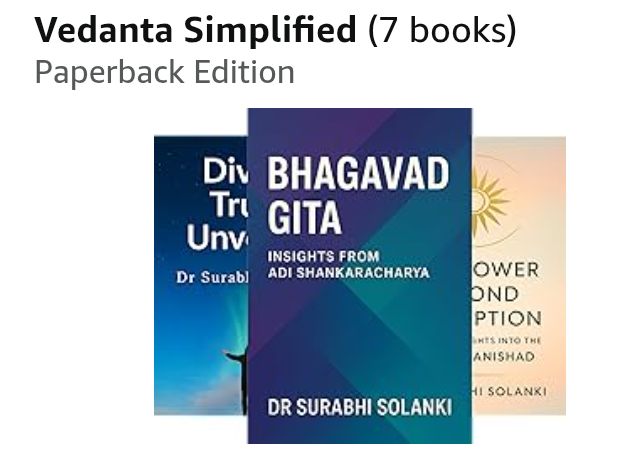
Divine Truth Unveiled is part of the Vedanta Simplified approach by Dr. Surabhi Solanki, which makes India’s highest wisdom accessible without dilution.

Readers who resonate with this book often continue with:

  • Awakening Through Vedanta
  • Essence of Yoga Vasistha
  • Power Beyond Perception (Kena Upanishad)
  • The Hidden Secrets of Immortality (Katha Upanishad)

Together, they form a clear, complete Vedantic vision.


Final Answer: What Is Divine Truth Unveiled?

✔ A modern explanation of Gaudapada’s Mandukya Karika
✔ A foundational Advaita Vedanta book
✔ A guide to understanding consciousness and non-duality
✔ A teaching of liberation through knowledge
✔ A bridge between ancient wisdom and modern clarity

Divine Truth Unveiled does not give beliefs.
It removes misunderstanding.


Begin with Understanding

If you are drawn to the deepest inquiry of who you truly are, Divine Truth Unveiled offers a clear, uncompromising entry into Advaita Vedanta—written for the modern mind, rooted in timeless truth.

Truth is already present.
It only needs to be seen.

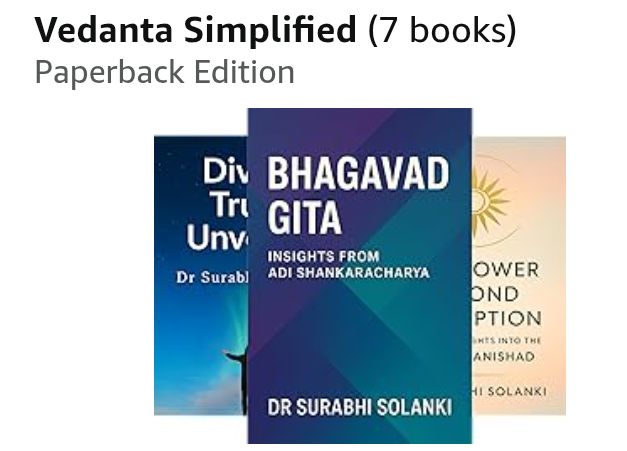
Vedanta Simplified: A 7-Book Series That Makes Timeless Wisdom Clear and Practical

If you are searching for “Vedanta simplified”, you are likely looking for an authentic, clear, and practical understanding of Vedantic wisdom—without dense Sanskrit, academic complexity, or ritual-heavy explanations.

This article introduces Vedanta Simplified, a 7-book series authored by Dr. Surabhi Solanki, created specifically for modern readers who want clarity, depth, and inner freedom—not confusion.


What Does “Vedanta Simplified” Really Mean?

“Vedanta simplified” does not mean diluted philosophy or surface-level spirituality.

True simplification means:

  • Removing unnecessary complexity
  • Explaining profound ideas in clear modern language
  • Preserving Advaita Vedanta’s original depth
  • Making wisdom directly applicable to daily life

Vedanta, at its core, is about understanding reality, the self, and freedom. When explained correctly, it is not difficult—it is liberating.


Why Many Readers Struggle with Vedanta

Traditional Vedantic texts are often:

  • Written for monks or scholars
  • Heavy with technical Sanskrit terms
  • Fragmented across commentaries
  • Difficult to relate to modern life

As a result, sincere seekers often feel:

  • Intimidated
  • Confused
  • Spiritually overwhelmed

Vedanta Simplified exists to remove these barriers.


Vedanta Simplified: The 7-Book Series by Dr. Surabhi Solanki

This series presents the entire Advaita Vedanta vision—from foundational inquiry to the highest non-dual realization—through seven carefully crafted books, each focused on one essential text.

The 7 Books in the Vedanta Simplified Series

  1. Awakening Through Vedanta: Timeless Wisdom of Adi Shankaracharya
    A clear introduction to the essence of Advaita Vedanta.
  2. Bhagavad Gita: Insights from Adi Shankaracharya
    A simplified yet authentic understanding of the Bhagavad Gita.
  3. Essence of Yoga Vasistha: The Book of Liberation
    A profound explanation of mind, bondage, and freedom.
  4. Power Beyond Perception: Modern Insights into the Kena Upanishad
    A clear inquiry into the source of perception and awareness.
  5. The Hidden Secrets of Immortality – Katha Upanishad Retold
    A timeless dialogue on death, fear, and immortality.
  6. Divine Truth Unveiled: Hidden Secrets of Gaudapada’s Mandukya Karika
    A direct teaching on consciousness and non-duality.
  7. Brahma Sutra Bhāṣya: Shankaracharya’s Defining Work — A Modern Retelling
    A simplified presentation of Vedanta’s most systematic text.

Together, these books form a complete Vedanta simplified pathway.


What Makes This Vedanta Simplified Series Unique?

1. Faithful to Advaita Vedanta

No distortion, no motivational shortcuts—only authentic non-dual teaching.

2. Written for Modern Minds

Clear English, logical flow, and real-life relevance.

3. Liberation Through Understanding

No rituals, no belief systems—knowledge alone is emphasized.

4. Suitable for Beginners and Serious Seekers

You don’t need prior background in Sanskrit or philosophy.


Who Is This Vedanta Simplified Series For?

This series is ideal for:

  • Beginners exploring Vedanta for the first time
  • Readers confused by traditional commentaries
  • Yoga practitioners seeking philosophical depth
  • Thinkers interested in consciousness and self-inquiry
  • Anyone searching for inner freedom without renunciation

Why “Vedanta Simplified” Is So Relevant Today

In a world filled with:

  • Anxiety and burnout
  • Identity confusion
  • Endless self-improvement techniques

Vedanta addresses the root cause:

Mistaking what is temporary for what is real.

Vedanta Simplified helps readers see clearly, not escape life.


How to Read the Vedanta Simplified Series

You may:

  • Start with Awakening Through Vedanta for foundations
  • Read any book independently based on interest
  • Progress gradually from inquiry to realization

Each book stands on its own—yet together, they form a complete vision.


Final Thoughts: Vedanta Simplified, Not Diluted

Vedanta Simplified is not about making truth smaller.
It is about removing what blocks understanding.

The 7-book series by Dr. Surabhi Solanki offers:
✔ Clarity without compromise
✔ Depth without complexity
✔ Wisdom without dogma

If you are genuinely searching for Vedanta simplified, this series was written for you.


Begin Your Vedanta Simplified Journey

Explore the Vedanta Simplified series of 7 books and discover how timeless wisdom can be clear, practical, and life-transforming—here and now.

True knowledge does not complicate life.
It frees it.

What Is Written in Yoga Vasistha?

If you are searching “what is written in Yoga Vasistha”, you are asking about one of the deepest philosophical texts of Indian wisdom—a scripture that explains the nature of mind, reality, bondage, and liberation with extraordinary clarity.

Yoga Vasistha is not a ritual text, mythological story, or devotional scripture.
It is a direct teaching on freedom through understanding.

This article explains what Yoga Vasistha contains, its central teachings, and how modern readers can understand it clearly through a contemporary book.


The Short Answer

Yoga Vasistha teaches:

How the mind creates bondage, how suffering arises, and how liberation is attained through right understanding of reality.

It explains why we suffer, how the world appears, and what it means to be truly free while living an active life.


The Setting of Yoga Vasistha

Yoga Vasistha is presented as a dialogue between:

  • Prince Rama — a sincere seeker experiencing deep dispassion
  • Sage Vasistha — his enlightened teacher

The teachings occur before Rama’s exile, when Rama questions the meaning of life, happiness, and existence itself.


What Yoga Vasistha Is About (Core Themes)

1. The Nature of the Mind

One of the most important teachings in Yoga Vasistha is:

The mind alone is bondage, and the mind alone is liberation.

Yoga Vasistha explains:

  • The mind creates suffering through imagination and identification
  • Thoughts shape experience
  • Freedom comes from understanding the mind—not suppressing it

2. The World as Mental Appearance

Yoga Vasistha teaches that:

  • The world is experienced through consciousness
  • Reality appears solid due to mental conditioning
  • Like a dream, the world feels real until understood rightly

This is not denial of life—it is clarity about experience.


3. Bondage and Liberation

According to Yoga Vasistha:

  • Bondage is psychological, not physical
  • Liberation is not escape from the world
  • Liberation is freedom from misunderstanding

A liberated person lives normally but is internally unattached.


4. No Need for Renunciation

Unlike many spiritual paths, Yoga Vasistha states clearly:

  • You do not need to abandon life
  • You do not need to withdraw from society
  • You only need to abandon ignorance

Freedom is possible while living fully in the world.


5. Knowledge Over Practice

Yoga Vasistha emphasizes:

  • Practices may calm the mind
  • But knowledge alone liberates

Understanding reality dissolves suffering naturally, without force.


6. Stories and Illustrations

Yoga Vasistha uses:

  • Symbolic stories
  • Philosophical analogies
  • Dream-like narratives

These stories are not entertainment—they are tools to break rigid thinking and reveal deeper truth.


Structure of Yoga Vasistha

The text is traditionally divided into six books, covering:

  1. Dispassion (Vairagya)
  2. Inquiry
  3. Creation
  4. Existence
  5. Dissolution
  6. Liberation

Together, they form a complete guide to inner freedom.


What Yoga Vasistha Ultimately Teaches

At its heart, Yoga Vasistha teaches:

  • Consciousness alone is real
  • The Self is ever free
  • Suffering arises from ignorance
  • Liberation is recognition, not achievement

It does not offer belief—it offers insight.


Why Many Readers Find Yoga Vasistha Difficult

Traditional versions are often:

  • Extremely long
  • Highly repetitive
  • Written in dense classical language
  • Difficult to apply to daily life

As a result, many sincere seekers feel overwhelmed.


A Clear Modern Presentation

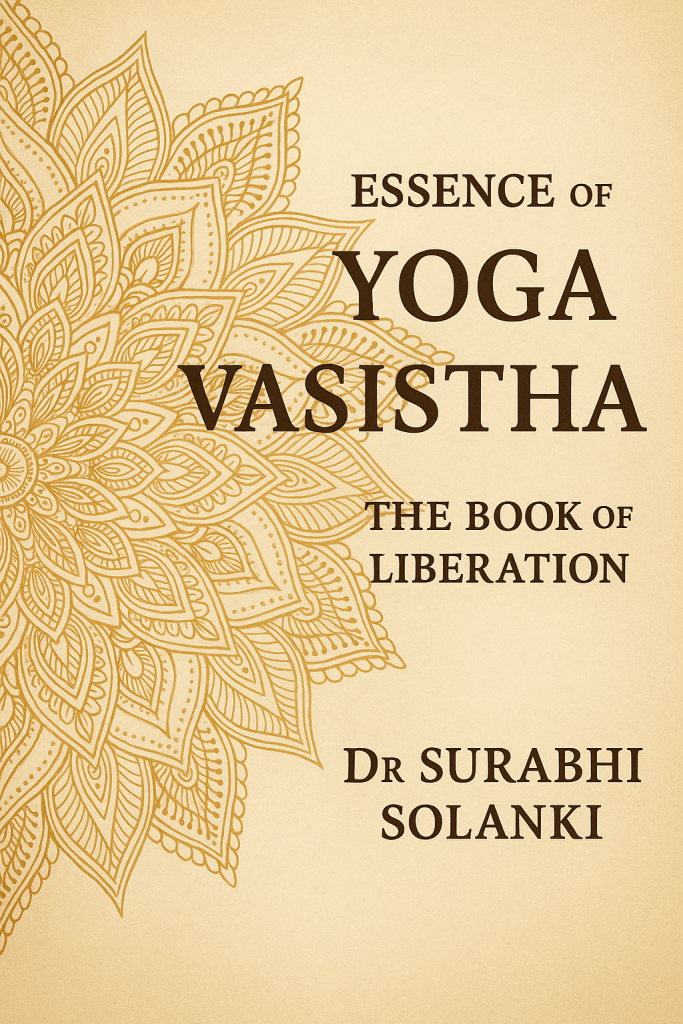
Essence of Yoga Vasistha: The Book of Liberation

To make this timeless wisdom accessible, Dr. Surabhi Solanki authored:

Essence of Yoga Vasistha: The Book of Liberation

This book presents:

  • The core teachings of Yoga Vasistha
  • Clear modern English
  • Faithful Advaita Vedanta insight
  • Practical relevance for contemporary life
  • Liberation explained without ritualism or complexity

It is ideal for:

  • Beginners in Vedanta
  • Spiritual seekers
  • Readers confused by traditional texts
  • Anyone seeking freedom without renunciation

Why Yoga Vasistha Matters Today

In a world filled with:

  • Anxiety
  • Overthinking
  • Burnout
  • Endless searching

Yoga Vasistha explains:

Nothing is wrong with you—only understanding is missing.

This insight alone transforms how life is lived.


Final Answer: What Is Written in Yoga Vasistha?

✔ The nature of mind and consciousness
✔ The cause of suffering
✔ The illusion of bondage
✔ The truth of liberation
✔ Freedom while living an active life

Yoga Vasistha is not a book to believe in.
It is a book to see through.


Continue Deeper

If this teaching resonates with you, Essence of Yoga Vasistha: The Book of Liberation offers a clear, faithful, and modern gateway into this profound text—written for the modern seeker, rooted in timeless truth.

Freedom is not elsewhere.
It begins with understanding.